
Insights on Enterprise Technology Modernization
Sanaz Ahmadi
5/8/20242 min read
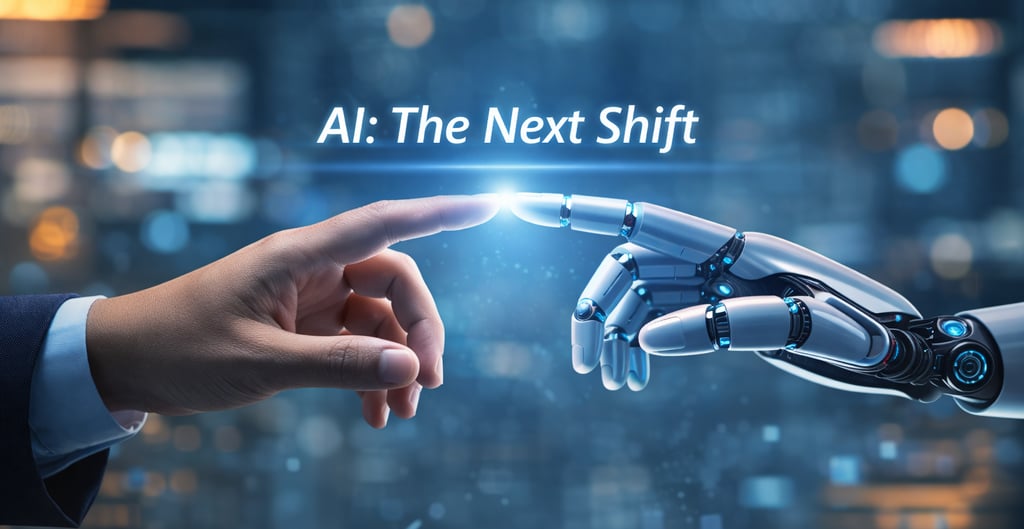
For the past several years, many organizations have approached artificial intelligence as an experiment. Teams explored chatbots, copilots, and generative tools to understand what the technology could do and where it might fit within their operations. That exploratory phase is beginning to shift.
Across industries, AI is moving from experimentation into operational environments where it influences real systems, real decisions, and real outcomes. What initially appeared as standalone tools is increasingly becoming part of the infrastructure organizations rely on to design systems, analyze information, and support day-to-day operations.
Recent developments reflect this broader transition. AI systems are now capable of generating visual explanations, diagrams, and interactive charts to help people understand complex ideas. New platforms are emerging that combine personal data, health records, and analytics to provide more personalized insights. At the same time, enterprises are expanding the use of AI coding assistants, changing the role of developers from writing code line by line to orchestrating AI-generated systems.
Taken together, these developments signal something larger than incremental improvement. Artificial intelligence is no longer simply a tool that produces answers; it is becoming embedded within the operational layer of enterprise technology itself.
As that integration deepens, another reality becomes clear. The more organizations rely on AI within production environments, the more important governance, engineering discipline, and human judgment become. Recent outages linked to AI-generated code illustrate this tension. While AI tools can dramatically accelerate development, speed without oversight introduces new operational risks. In response, organizations are beginning to strengthen safeguards, introduce additional review processes, and require more structured documentation before AI-assisted changes reach critical systems.
The lesson is straightforward. Artificial intelligence can significantly increase productivity, but it does not eliminate the need for disciplined engineering practices, strong governance frameworks, and thoughtful operational oversight.
In many ways, AI is not replacing the responsibilities that exist within technology organizations; it is reshaping them. Developers increasingly act as orchestrators of AI-assisted systems, analysts become interpreters of AI-generated insights, and technology leaders assume the role of stewards responsible for balancing machine capability with human judgment.
This is the next shift in enterprise technology. Organizations that treat AI purely as a productivity tool may see incremental gains. Those that rethink governance, operating models, and decision frameworks around AI will unlock its broader value.
The technology is advancing quickly, but the organizations that ultimately succeed will not simply be the ones that move the fastest. They will be the ones that integrate AI thoughtfully into the systems, processes, and decision structures that already run their businesses.
Contact
If you are preparing for a major technology initiative or need clarity on direction, I welcome the opportunity to connect.
Phone
Sahmadi@payatechconsulting.com
(402) 413 - 9873
© 2025. All rights reserved.